



OuLa
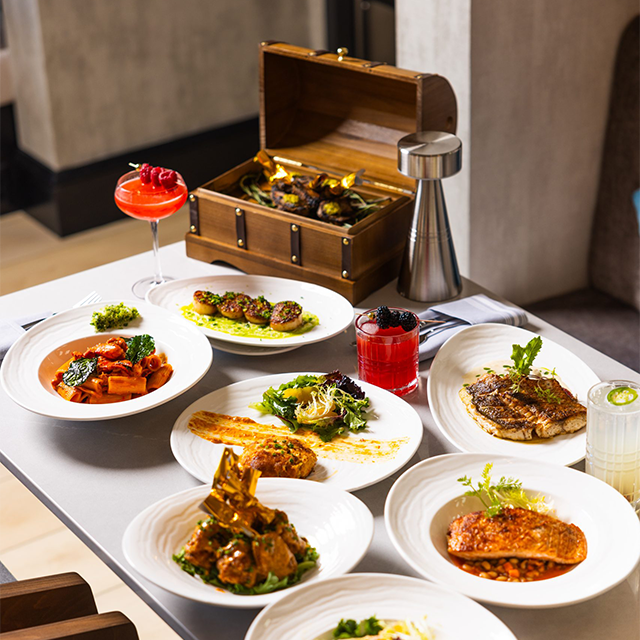
Positioned as a contemporary fusion restaurant, Ou La showcases global techniques and flavors, subtly interwoven with the vibrant Caribbean spirit that reflects the heritage of its founders. This approach resonates with adventurous, sophisticated diners eager to explore new culinary territories without predefined boundaries—feeling familiar to some, yet uniquely elevated for all. By broadening its appeal beyond a single cuisine, Ou La sidesteps limiting perceptions and invites guests into a rich, multi-layered story that is as globally inspired as it is deeply personal.
OuLa A Love Letter to Culture & Cuisine
Ou La is the vision of two passionate individuals: Nagela, a devoted foodie and entrepreneur, and Chef Duke Estime, a celebrated James Beard House Award-winning chef. Together, they created a dining experience that brings people together through exceptional food, culture, and hospitality.
Born in the Caribbean, Nagela’s journey has been shaped by resilience, hard work, and a deep appreciation for the connections food creates. Her travels around the world inspired a love for diverse flavors and traditions. When she first experienced Chef Duke’s cuisine, she was captivated by his bold creativity and refined approach to flavor.
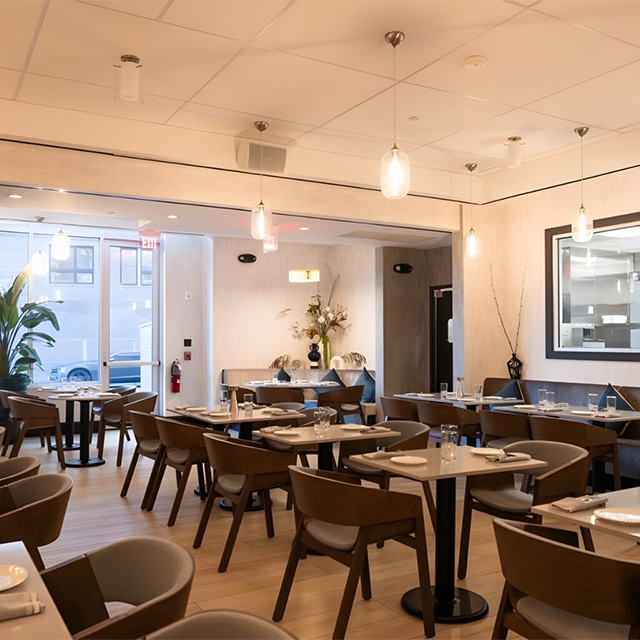
Inspired by a shared passion for culinary exploration, Nagela and Chef Duke founded Ou La—a contemporary fusion restaurant where global influences meet Caribbean spirit. Here, innovative cuisine, warm hospitality, and modern elegance come together to create memorable experiences.
At Ou La, we serve more than food. We serve stories, culture, and moments worth sharing.
Meet the Founder: Nagela Duperval
‘I Lost Friends Because I Can’t Pay People Back’: Nagela Duperval Shares Mistakes She Made When Opening A Restaurant
OU LA Restaurant owner Nagela Duperval gets vulnerable about the challenges of financing a small business
Nagela Duperval has long been entrepreneurial, but opening a restaurant was never part of her master plan.
“I was a struggling single parent, just taking care of everybody. So I got into real estate. I became a real estate investor,” she said. “The restaurant really came about because I was looking for another way to bring in money, because there was never enough money.”
Despite having no experience in the industry, Duperval decided to open a restaurant as her next venture after receiving a tip that was too good to pass up.
“A friend introduced me to a space that was available in Carteret, New Jersey, and it came with a liquor license. And I’m like, ‘Yes, liquor license! I’m about to make money,” Duperval said. “But I didn’t think about anything else. I just jumped in.”
What she thought was a golden opportunity—especially after the landlord threw in a year of free rent—turned into a nightmare when she wasn’t able to secure an SBA loan. It ended up taking three years to open OU LA Restaurant & Bar. And in that time, Duperval borrowed from whoever she could to get the business off the ground.
“I went into a business thinking, ‘Oh, we going to make money,’ right? So I promised people these high returns, these crazy returns, because I was just so desperate,” she admits. “I lost relationships because I can’t pay people back. I lost friends because I can’t pay people back.”
Four years into the venture, and a year into being open, OU LA is finally in a good place—and Duperval is working hard to repay her debts. She spoke candidly at the recent How I Got Here (HIGH) small-business summit and shared the lessons she’s learned so that other entrepreneurs don’t make the same mistakes.
Remember That Even After Opening A Restaurant, Capital Is Still Needed
“When I opened, another big mistake was not having working capital. You cannot open a business without working capital. The week that I didn’t make enough money to cover payroll, how was I going to pay my staff? OU LA was making about $15,000 to $18,000 a week. Payroll alone was about $25,000.
“So I’m working a full-time job to pay people at my business. I’m working a full-time job to pay vendors. Vendors were calling me. They were like, we’re not delivering to you anymore because you’re on COD [cash on delivery].
It got to the point where I didn’t have anyone else to borrow from. I couldn’t go into my 401(k). I couldn’t take any more loans because my credit was shot. I stopped paying my personal bills because, again, I was using my paycheck to pay people for the business. I was ready to say, ‘You know what? I’m going to close my doors. I can’t do this. I failed.’ It was the most difficult time.”
Be careful who you trust
“Any business is tough if you don’t have the right support system. I went into the restaurant business, and it’s something that I just did not have any idea about. I was relying on experts to help me. And then I find out these people really aren’t experts themselves. They don’t really know.
“I finally met somebody that started helping, started teaching me, ‘This is what you have to do. This is how you figure out your food costs. This is how you pay the vendors.’
“But before that I had people that I was trying to partner with trying to take advantage. Three different investors that I was trying to partner with all turned out to be frauds. They wanted to take my business from me. It was terrible.”